OLD NAMES PRESERVED

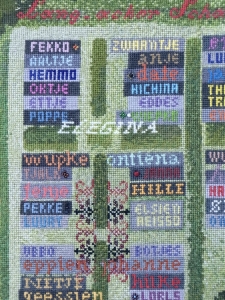
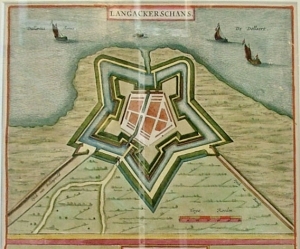
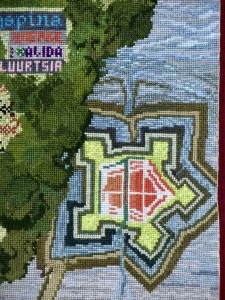
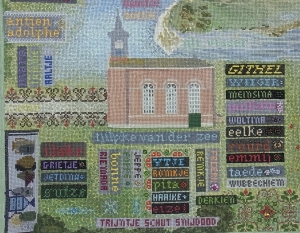
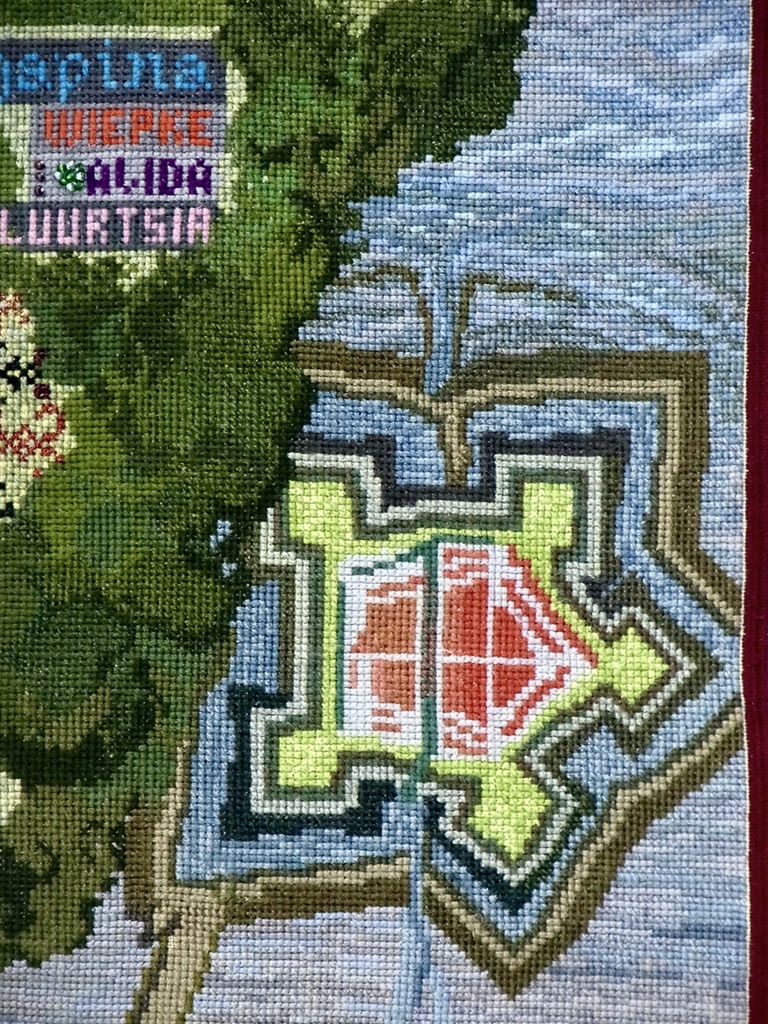
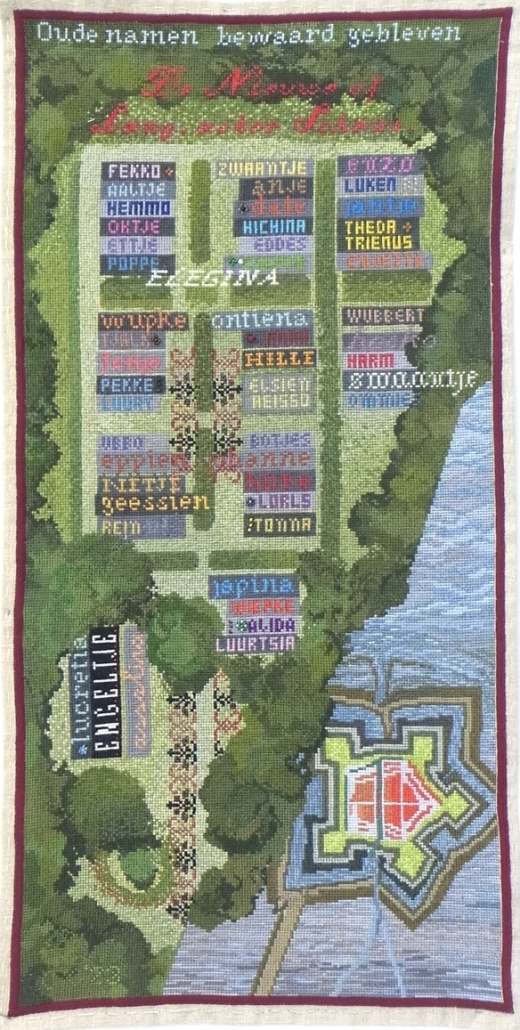
De Nieuwe of Lang-acker Schans

Bad Nieuweschans (Groningen: (Nij-) Schanze or Nij-Schans; German: Bad Neuschanz), officially Nieuweschans until March 2009 and before that called Langeakkerschans, is a border town and health resort in the municipality of Oldambt in the Dutch province of Groningen.

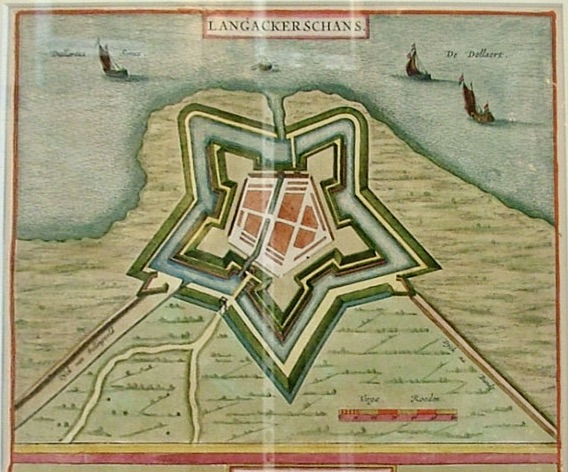
  • In the fifteenth and sixteenth centuries, large areas of land were swallowed up by the Dollard (a funnel-shaped estuary of a river where fresh and salt water meet).

Due to both active reclamation and natural siltation, the sea was pushed back and in 1628: The Nieuwe- or Langeakkerschans was constructed during the Eighty Years’ War. The fortress was designed by engineer Matthijs van Voort.

It took the shape of a regular pentagon with bastions, surrounded by ramparts and a moat. A regular street pattern was laid out within the fortification, with an exercise area in the middle. A lock was constructed to the north to allow the area to be flooded (inundation).

Due to land reclamations, the fortress became increasingly inland and lost its function. In 1870, it was determined by Royal Decree that Nieuwe Schans was no longer a fortress. In 1882 the fortifications were demolished and the canals filled in. This was partly restored in 1970. Mineral springs were discovered in 1985, the town became a health resort and was officially added in 2009: Bad-Nieuweschans.

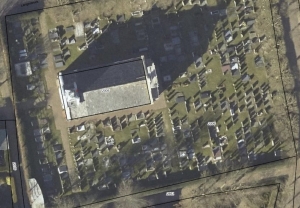
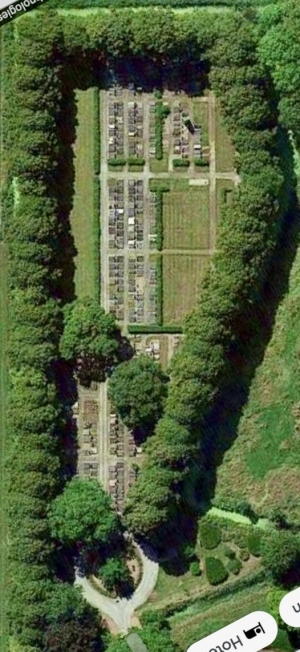
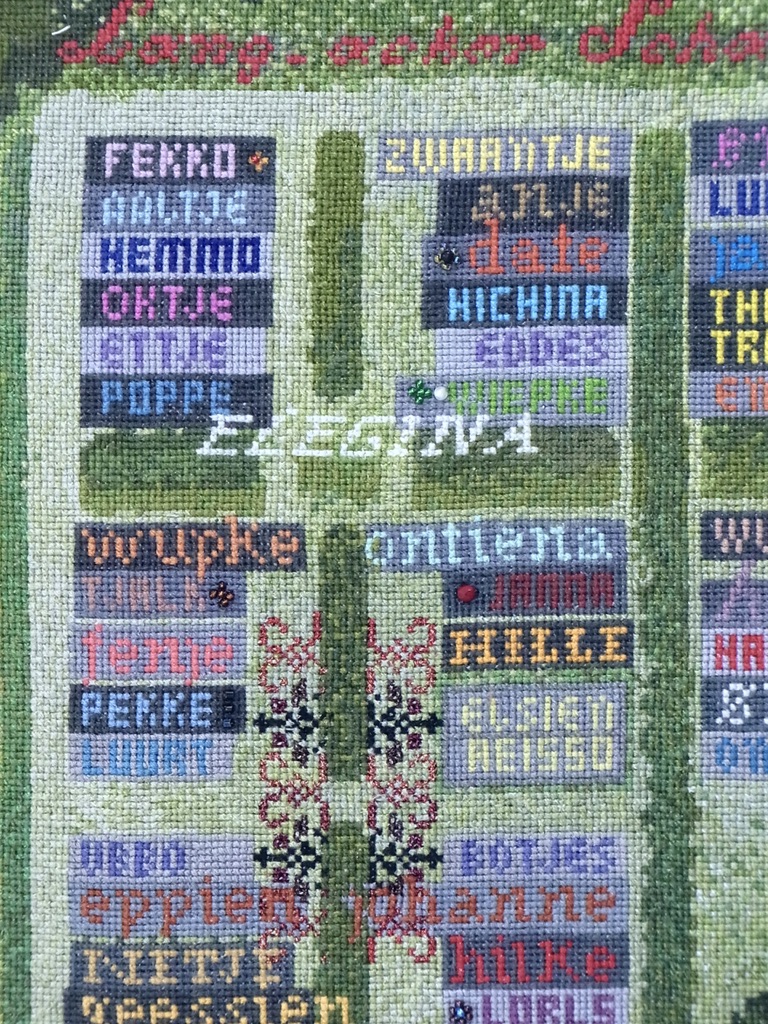
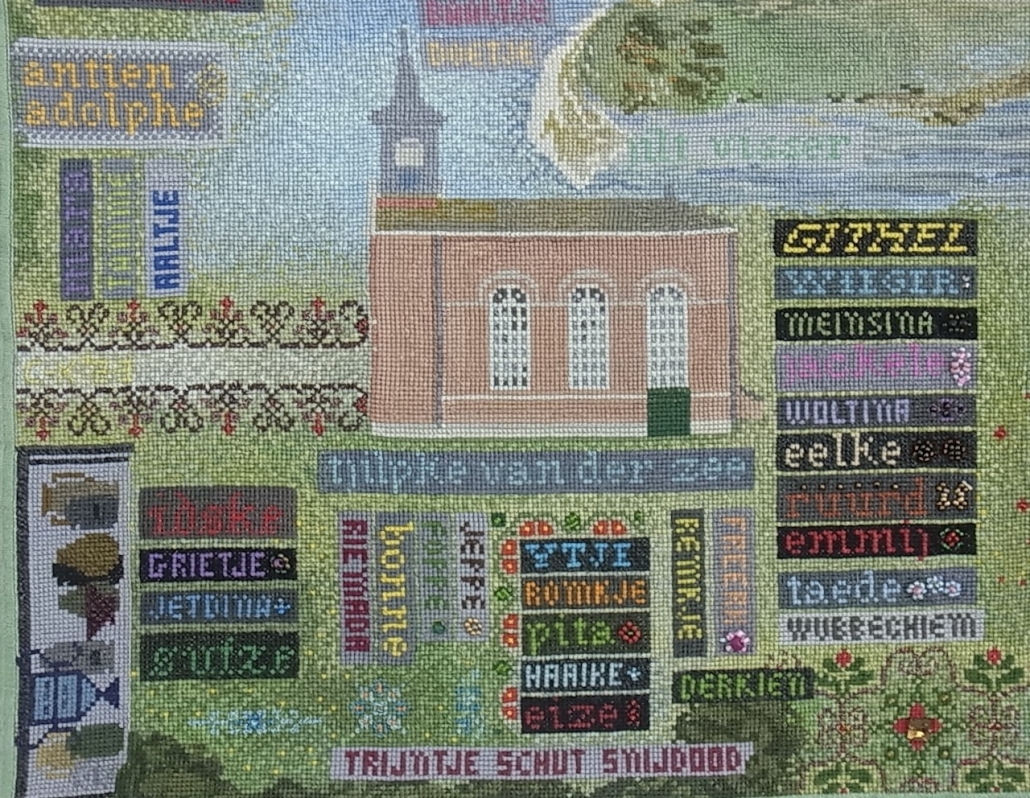
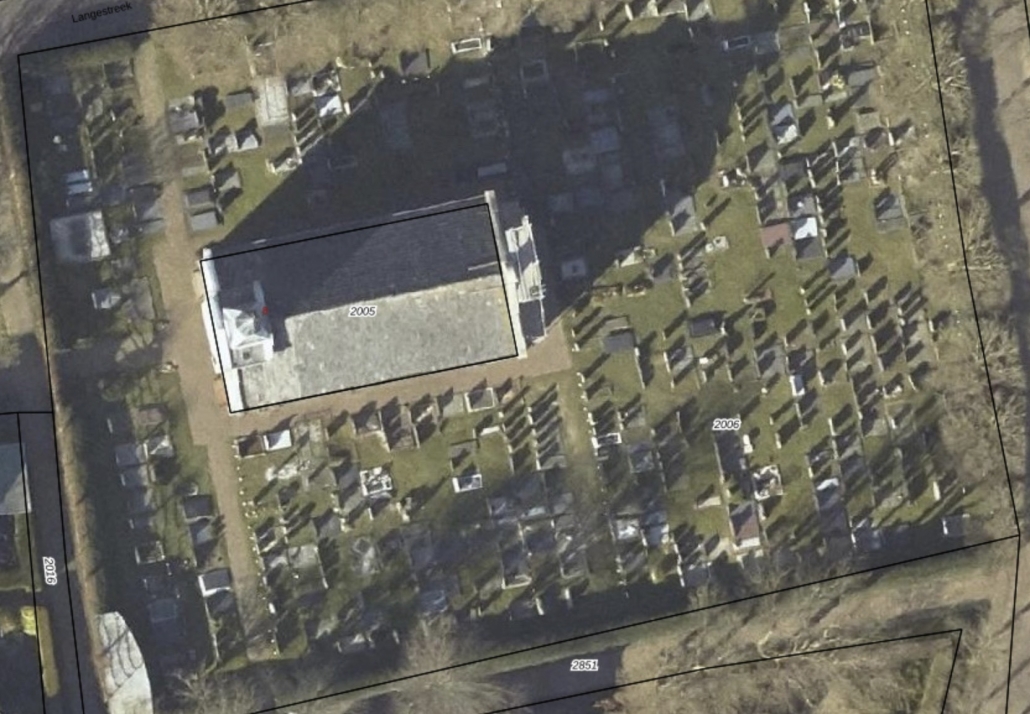
  • The names on the tombstones of the general cemetery largely date from 1880 and were often passed on.
    These are names that are regionally specific and are rarely spread or heard of now-days.

Now they are preserved  here.

Old names preservedDe Nieuwe of Lang-acker Schans.
Completes  2023 – size 60/32.5 cm.
DMC Mouline embroidery silk on Linen + glass beats.
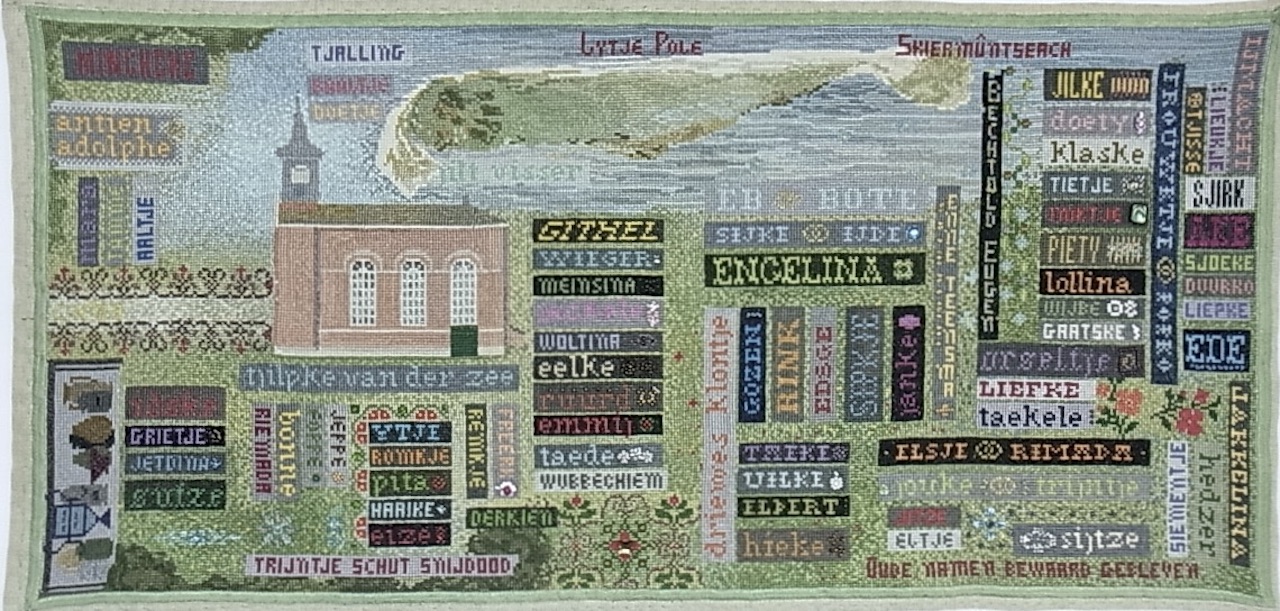
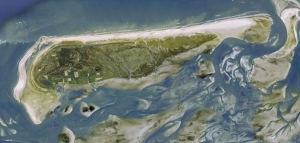
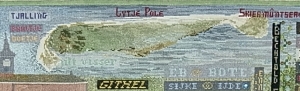
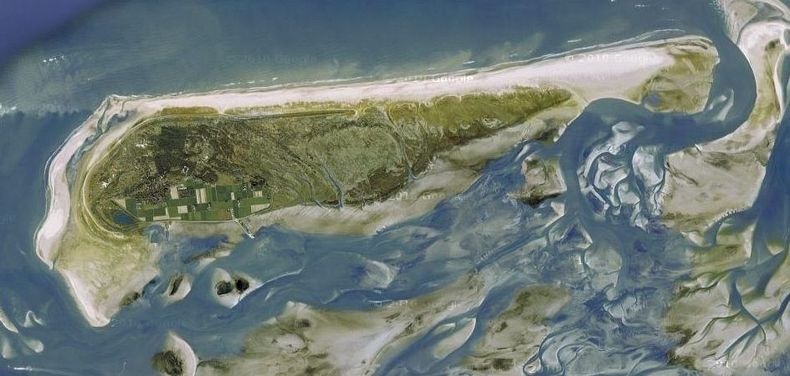
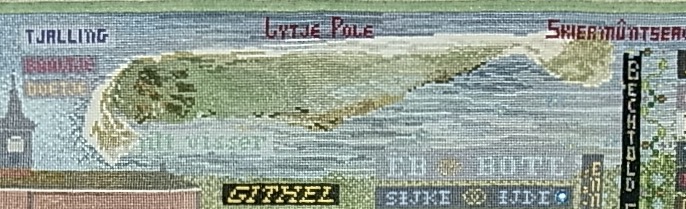
Schiermonnikoog / Schiermonnikeig, Nicknamed: Lytje Pole

Schiermonnikoog – is the official dutch name of this mudflat island

Islanders: Schiermonnikeig,
Nicknamed: Lytje Pole.
Frisian: Skiermûntseach.
It’s the fifth inhabited Dutch Wadden Island from the west and belongs to the Dutch province of Friesland. It’s total length of the cycle paths is 30 km.
The island is moving further and further east due to calving and siltation.

  • In the Middle Ages, Schiermonnikoog was a courtyard of the Cistercian monastery Claercamp. The monks who diked land, wore gray robes.
    This is how the name came about: schier means gray, monnik means monk, and oog, eye means island.
    The name Schiermonnikoog is first mentioned in 1440 in a deed (by Philip of Burgundy). In 1580 Friesland became Protestant and the monastery
    lost all it’s possessions and became part of the Friesland region. The island would remain without monasteries until 2019 when Cistercian Monks left Sion Abbey in Diepenveen
    and bought the manor house Reisbergen and renamed it ‘Schiermonnikoog Monastery’.


Friesland sold the island due to for lack of money. From 1638 till 1945 Schiermonnikoog was in private ownership.
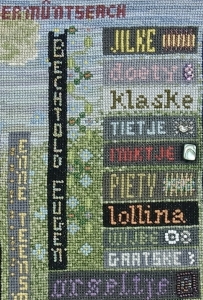
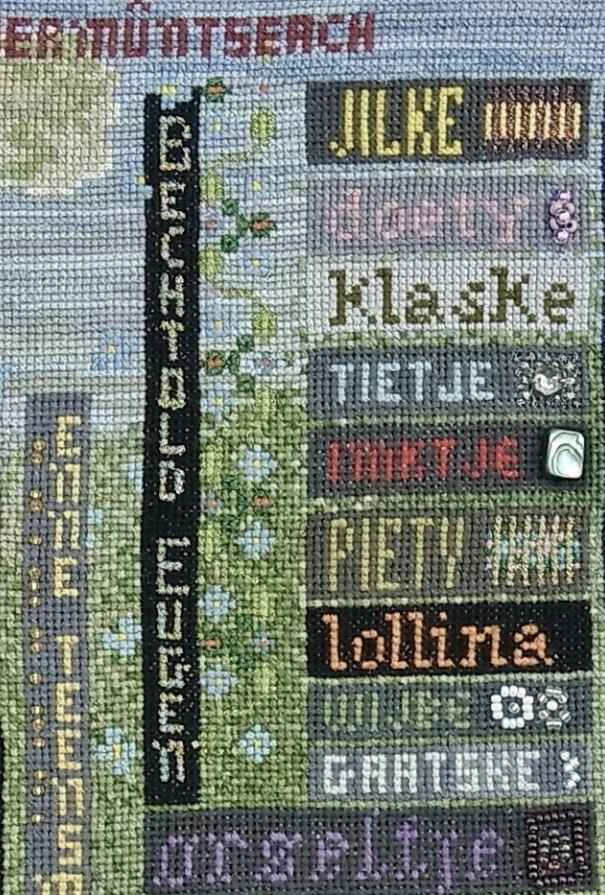
The last owner was Bechtold Eugen Count von Bernstorff , he inherited the island in 1939.

  • After World War Two the island was confiscated by the Dutch state, because it was considered ‘enemy property’.  This  was to the great disappointment of the count, who got on well with the islanders.  He also lost large parts of his property in Germany  to the new state GDR. Destroyed bridges over the Elbe made it impossible to return to his castle.
    From the remaining estate across the river, he watched the buildings collapse to the east and his fields go to seed.
  • To regain his rights on the Island he submitted an application for “enfeeblement” on May 26, 1951. It was rejected by the Dutch Administration Institute in 1953.
    An appeal to the Council for the Restoration of Rights was also rejected. His later attempts – after the so-called “Generalbereinigungsvertrag”
    between the Netherlands and Germany came into effect in 1964 – to regain the island also failed. Ultimately, he demanded compensation from the German state.

    Almost forty years after the confiscation, he received an amount of 80.000 German marks in 1983.


Bechtold Eugen Count von Bernstorff  died in 1987.   He was buried on Schiermonnikoog.

His name among the islanders is enmeshed in this canvas.
The islanders have very distinctive regional names, passed down from generation to generation, not often heard today, but preserved here in this embroidery.

Old names preserved:  Skiermûntseach , Lytje Pole.

Completed 2024 – size 67  / 32,5 cm. DMC Mouline embroidery silk on Linen + glass beads.

error: Content is protected !!